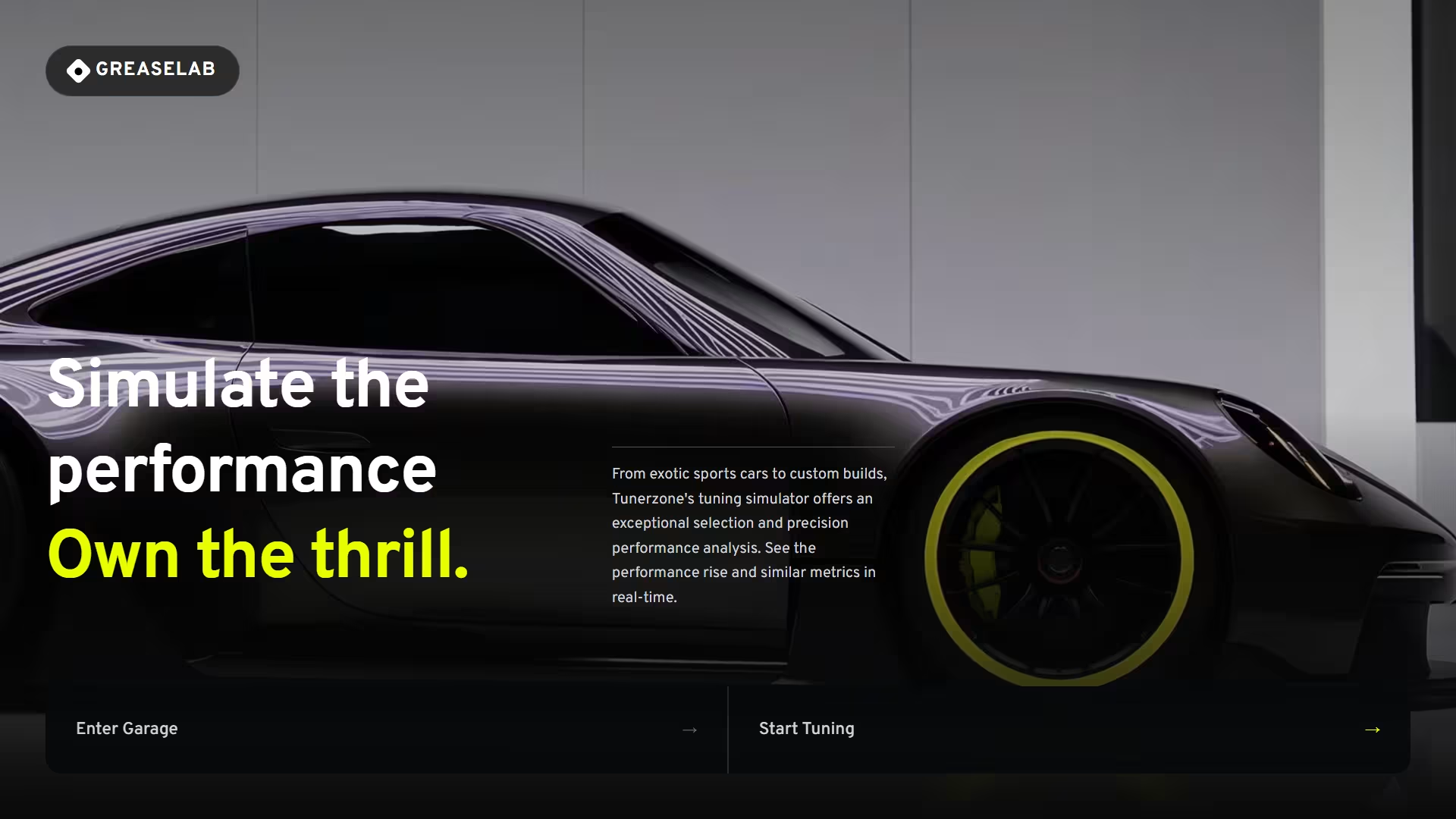
A comprehensive car tuning simulator using React and Three.js, offering realistic vehicle customization with physics-based performance calculations. IndexedDB handles model caching while Zustand manages state for real-time updates.
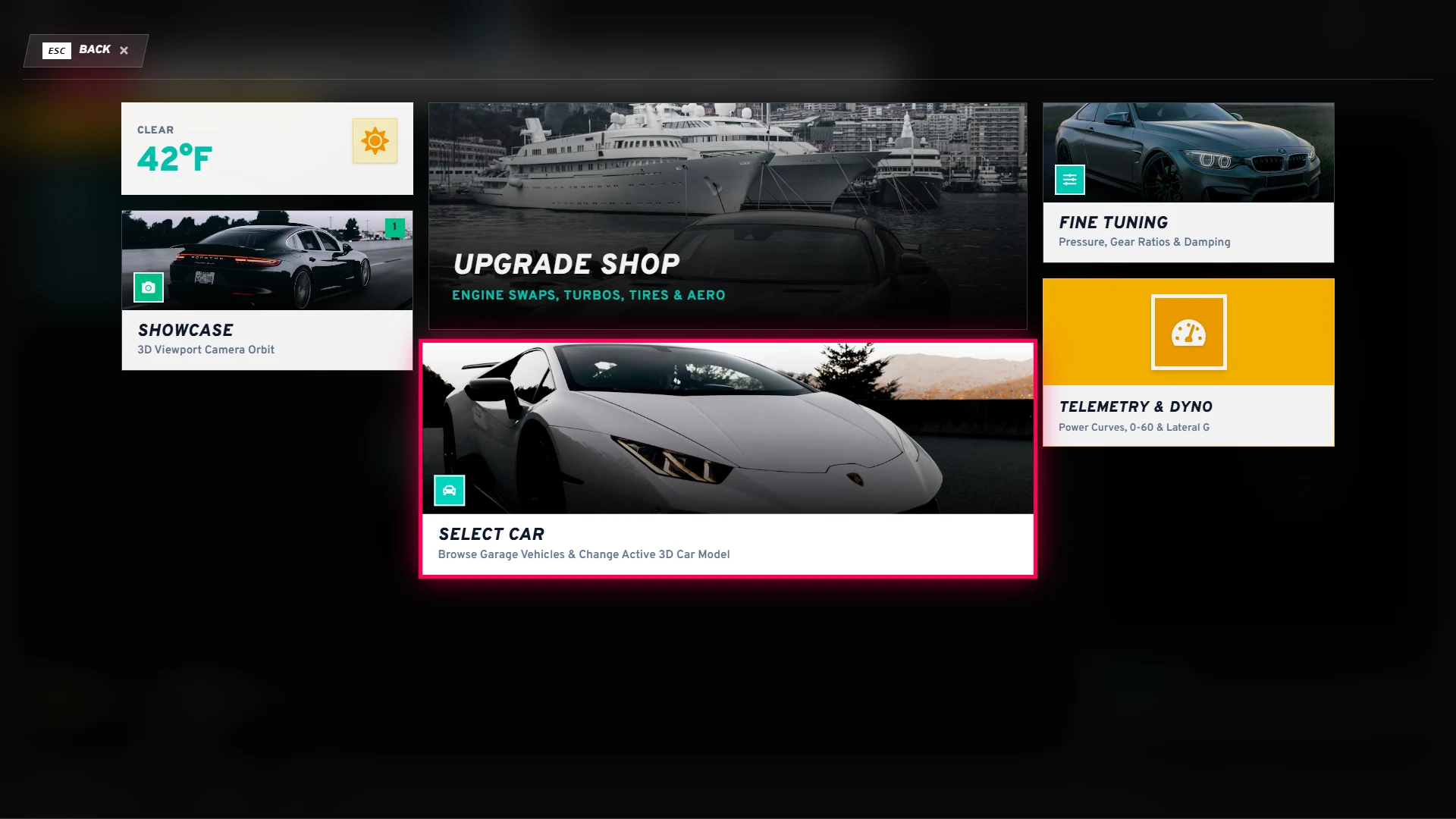
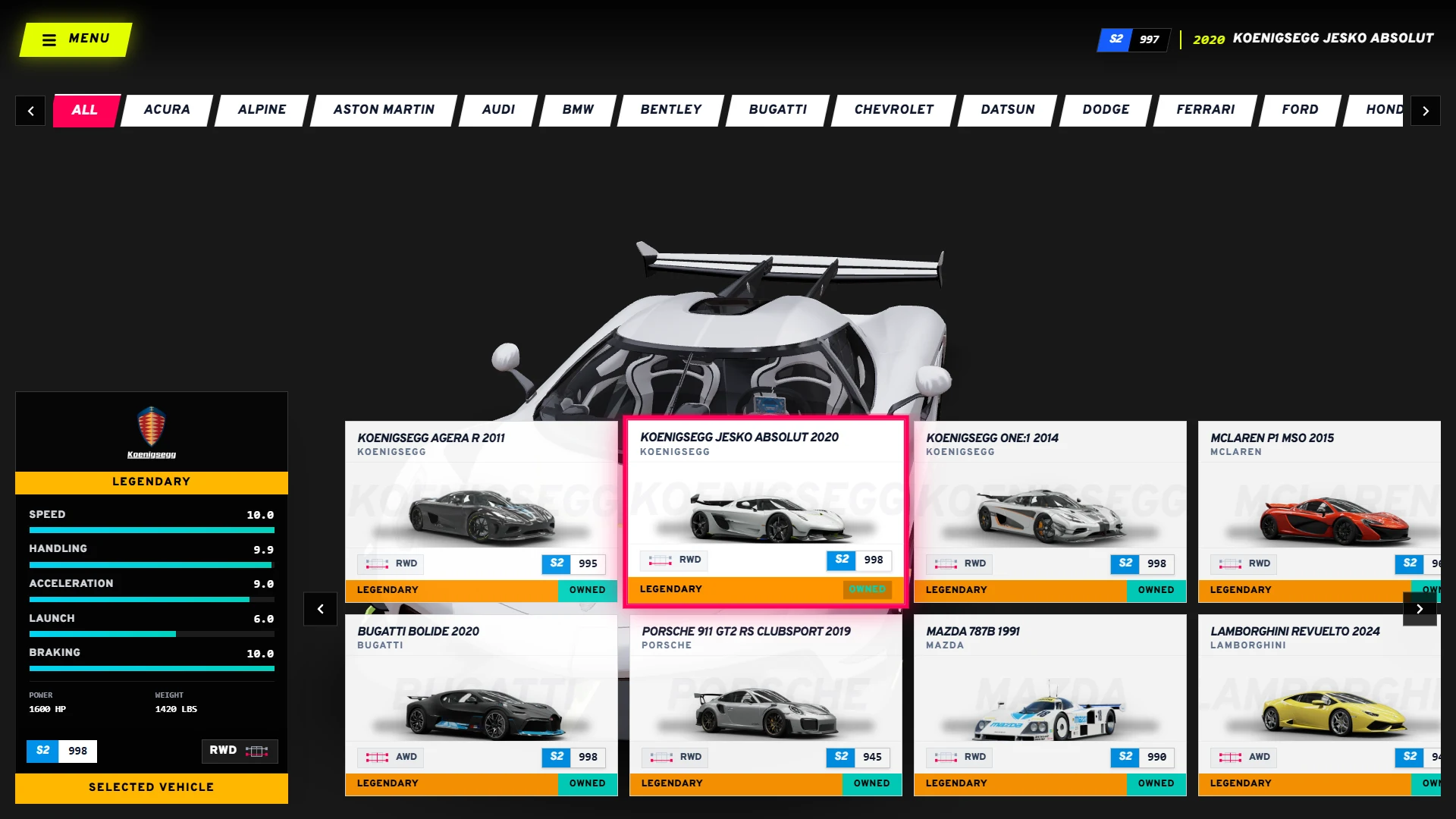
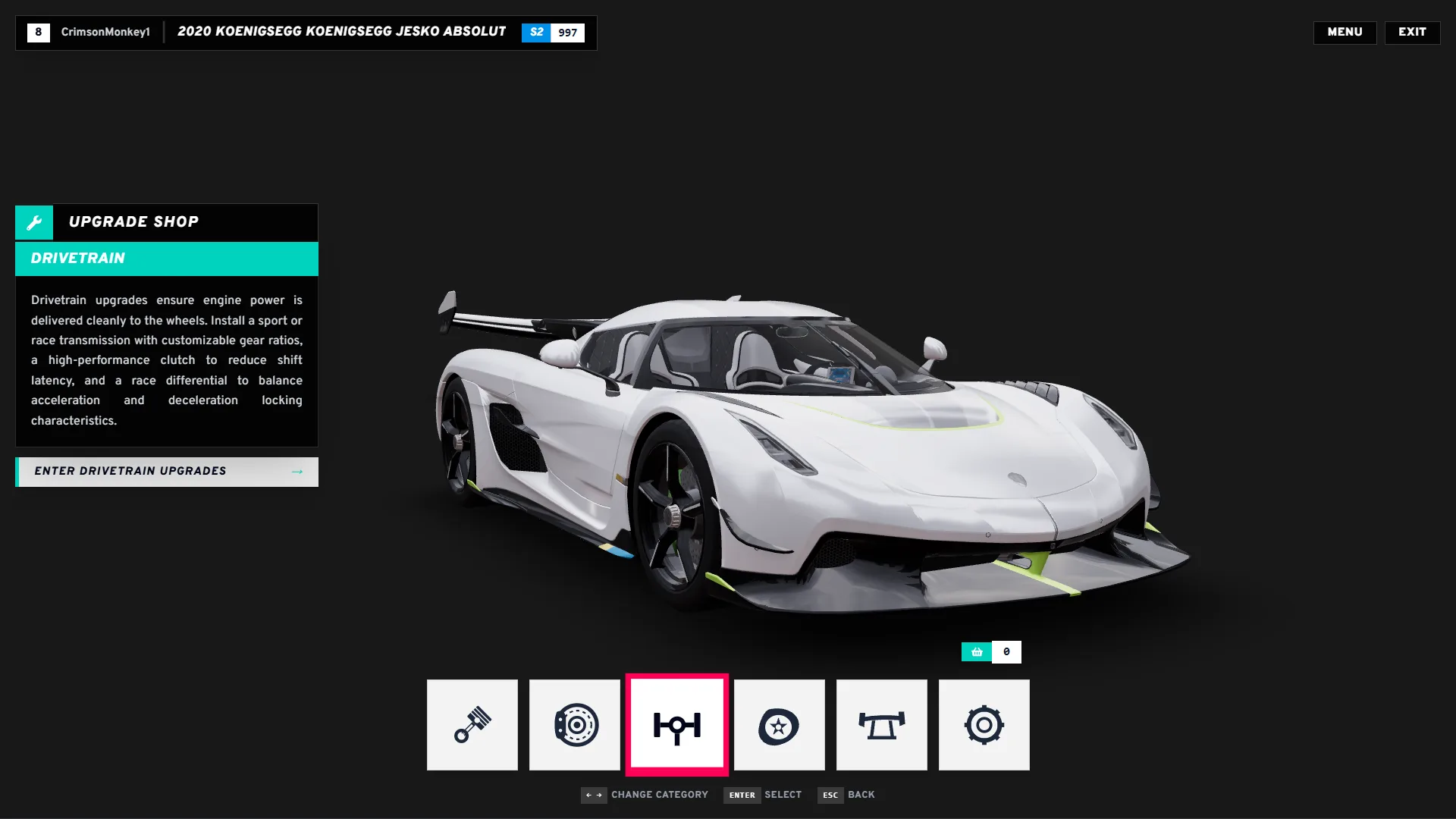
Interactive Vehicle Modding (Overview)
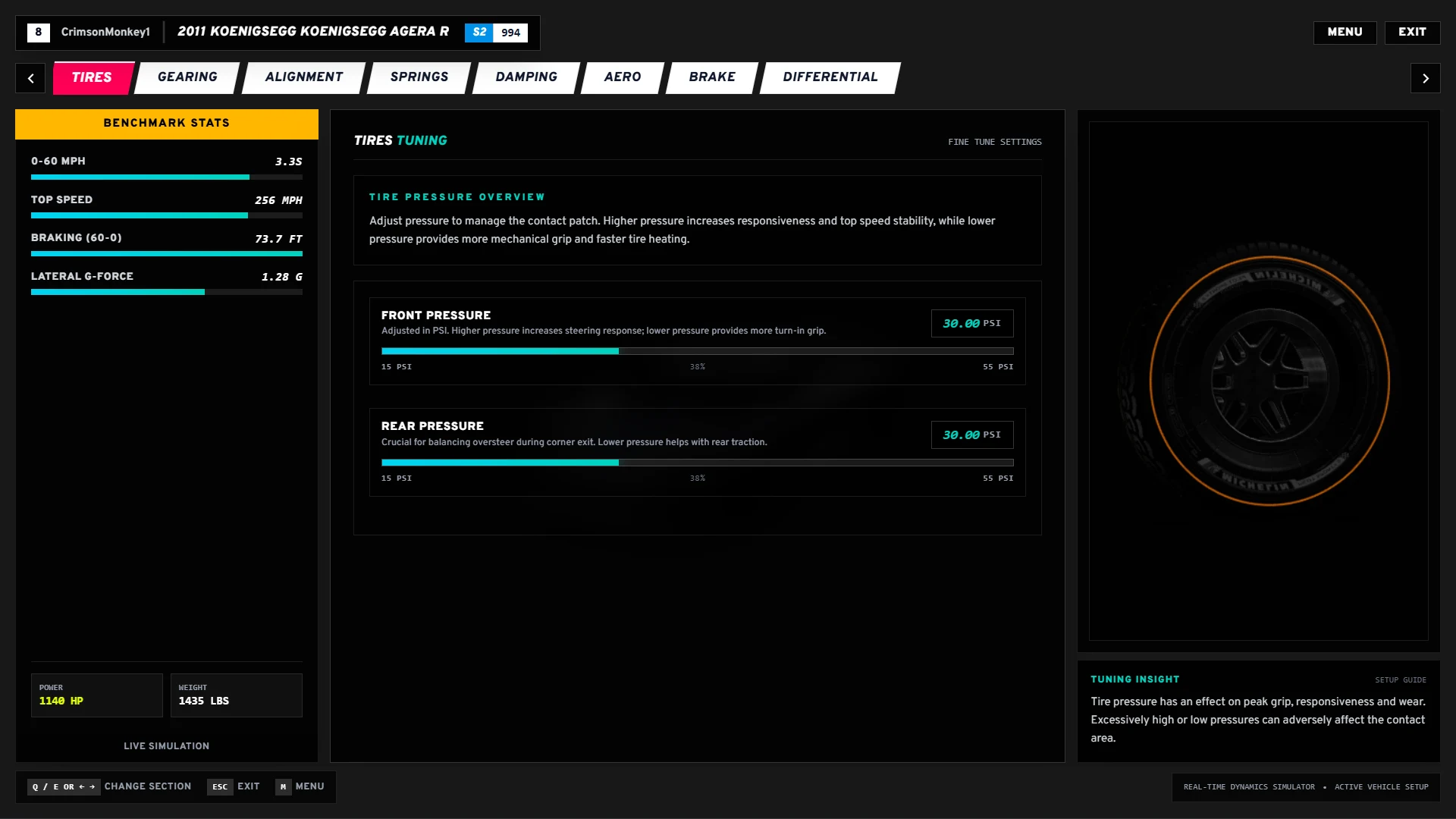
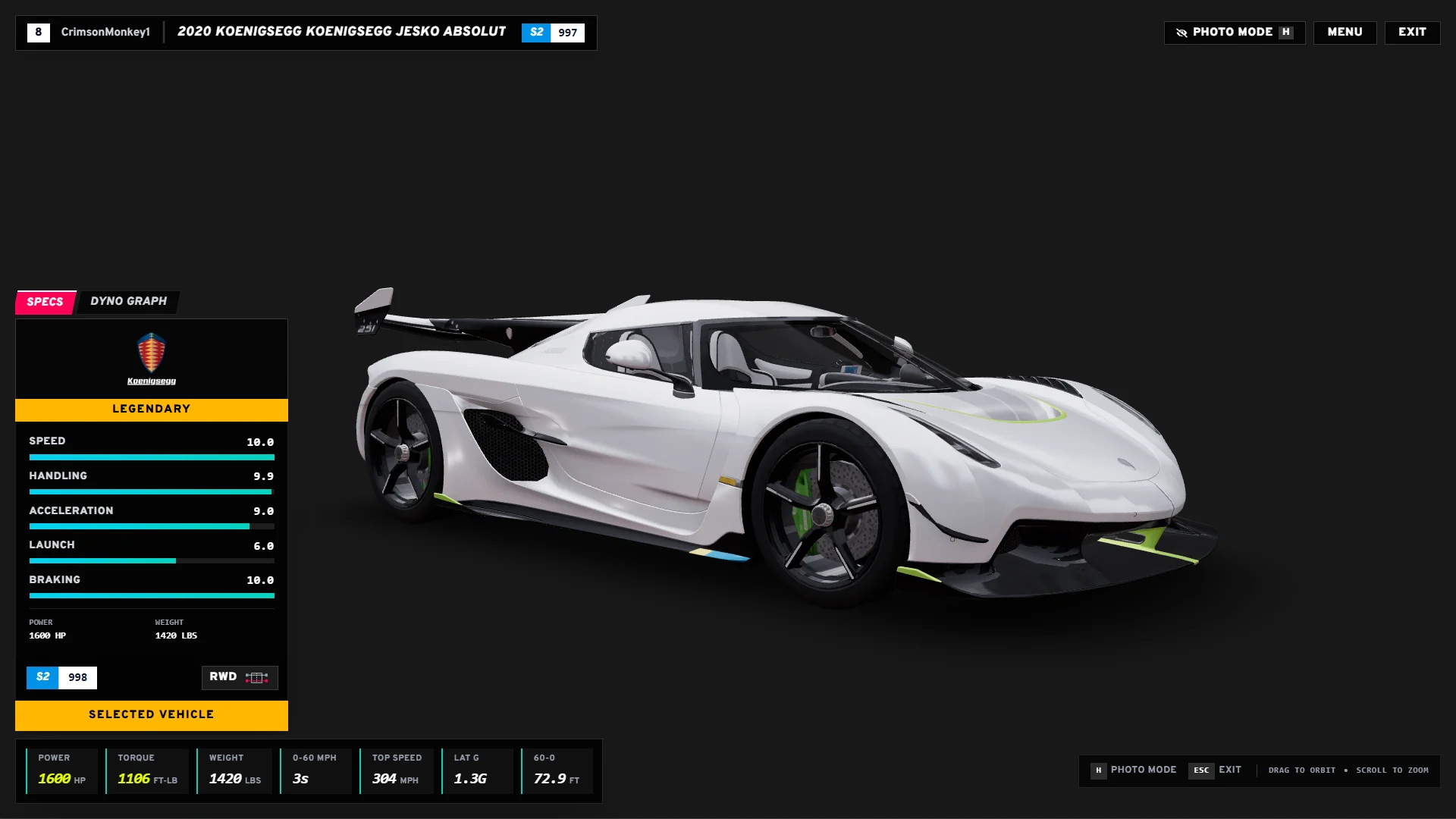
This simulator empowers car enthusiasts by providing a realistic environment to experiment with vehicle modifications. With React Three Fiber for 3D visualization and a sophisticated physics engine, users can install different parts, adjust tuning parameters, and see immediate performance impacts. The application features multiple categories of upgrades including engine, platform, drivetrain, tires, and aero components, each affecting performance differently.
Here is the simulation rendering pipeline and real-time physics calculation loop:
Virtual Car Tuning (Motivation)
Car enthusiasts and racing game players often seek realistic experiences to experiment with vehicle upgrades and tuning without the costs and risks associated with real-world modifications. The motivation behind Car Tuning Simulator was to create an authentic virtual garage where users can explore different parts, adjust tuning settings, and see the immediate impact on performance metrics. By combining realistic physics simulations with 3D visualization, the goal was to provide an educational and entertaining platform for understanding automotive engineering concepts.
Custom Part Installation (Key Features)
- Realistic Physics Simulation: Advanced algorithms calculate performance metrics including acceleration, top speed, braking distance, and lateral G-forces based on user modifications.
- Smart Model Caching: 3D models are intelligently cached using IndexedDB for optimal loading performance and offline availability.
- Verified Conversion & Swap Database: Each swap is governed by a 'Mechanical Feasibility' engine, which correctly adjusts the car's weight distribution, center of gravity, and polar moment of inertia based on real-world dimensions.
- Unique Engine Sets per Vehicle: Each car features distinct engine configurations with unique horsepower curves, torque maps, and displacement characteristics for authentic tuning.
- Real-Time Performance Metrics: PI rating, dyno readings, and comprehensive stats recalculate instantly after every upgrade or tuning adjustment for immediate feedback.
The 3D Engine & Physics Stack (Technologies)
- React: Component-based UI and state management
- Three.js: 3D graphics and scene management
- React Three Fiber: Declarative 3D rendering
- Zustand: Global state management
- IndexedDB: 3D model caching for performance
- Recharts: Performance graphs and visualizations
The simulator leverages React for a dynamic, component-based UI with real-time state management using Zustand. React Three Fiber and drei provide the 3D visualization layer for realistic car models and environments. The physics engine calculates performance metrics including acceleration, top speed, braking distance, and lateral G-forces based on user modifications. IndexedDB caching optimizes 3D model loading, while modular data structures organize car parts and configurations. Performance calculations incorporate complex formulas for horsepower, torque, grip, and aerodynamics.
R3F Render Performance & Physics Sync (Challenges)
One of the key challenges in building the Car Tuning Simulator was implementing a realistic physics engine that could calculate performance metrics accurately while maintaining real-time responsiveness. Balancing computational complexity with performance required optimizing the simulation algorithms and caching strategies. Managing large 3D model files and ensuring smooth rendering in the browser required careful optimization of the React Three Fiber implementation and IndexedDB caching. Another challenge was designing an intuitive UI that could present complex automotive engineering concepts in an accessible way. Through this process, I learned how to implement sophisticated physics calculations in JavaScript, optimize 3D rendering performance, leverage browser storage for asset caching, and create a user experience that balances technical depth with usability.
An Immersive Tuning Sandbox (Conclusion)
This Car Tuning Simulator transforms how enthusiasts approach vehicle customization by delivering authentic, physics-based feedback on modifications. It goes beyond simple visual changes, calculating realistic performance metrics that reflect the complex interactions between different parts and tuning parameters. Built to adapt to various automotive scenarios, it's a future-ready platform that can easily integrate advanced simulation features, additional vehicle models, and more sophisticated tuning parameters — empowering users to become virtual automotive engineers.